
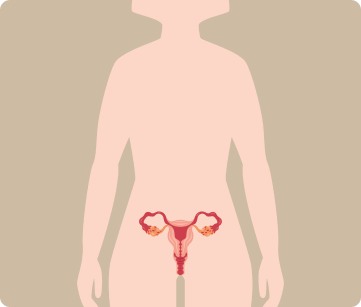
Menstruation is a natural monthly process during which the body sheds the lining of the uterus through the vagina. This biological function is a key aspect of the menstrual cycle, which is primarily regulated by hormones such as estrogen and progesterone. Every month, within the ovaries, several immature eggs are present, but usually, only one egg matures and becomes ready for fertilization. This egg is released during ovulation and travels through the fallopian tubes to reach the uterus. At the same time, hormonal signals prompt the uterus to thicken its lining with blood and tissue to prepare for a potential pregnancy. This thickened lining creates a supportive environment for a fertilized egg. If fertilization does not occur, the body recognizes that the thickened lining is no longer needed. As a result, it breaks down, leading to the shedding of blood, nutrients, and tissue—a process known as menstruation. This phase is commonly referred to as having a “period.” It is crucial to understand your menstrual cycle, as being aware of what is normal for your body can help you identify any irregularities or concerning symptoms. This knowledge enables you to seek medical advice if necessary and promotes better overall menstrual health. By staying informed, you can take proactive steps towards managing your well-being effectively.
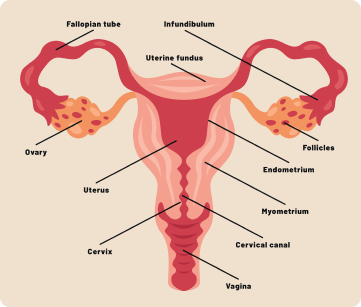
Let’s understand the Menstrual Cycle
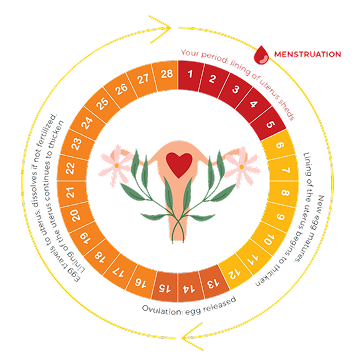
The menstrual cycle is a monthly process that begins on the first day of menstruation (the start of your period) and ends the day before your next period begins. Understanding this cycle is crucial for tracking reproductive health.
What Constitutes a ‘Normal’ Menstrual Cycle?
Menstrual cycles can vary widely among individuals, typically ranging from 21 to 40 days, with the average cycle being around 28 days. It’s important to recognize that fluctuations of a few days from month to month are normal, particularly in teenagers who may experience irregular cycles as their bodies develop.
Recognizing Characteristics of Your Period
Periods can differ greatly between individuals, highlighting the importance of understanding your own cycle. Familiarizing yourself with your menstrual pattern helps in spotting any unusual changes that might warrant further attention. A typical period lasts between 2 to 7 days, during which a person may lose up to 80 ml of blood, roughly equivalent to 5 tablespoons. Moreover, it’s quite common to experience some level of discomfort during menstruation, such as abdominal cramps. Being mindful of your cycle’s regularity, flow, and symptoms can promote better understanding of your overall health and well-being. If you notice significant changes or have concerns, consulting your doctor is always advisable.
The Phases of the Menstrual Cycle Explained
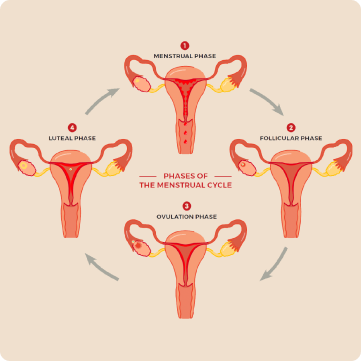
An average menstrual cycle typically spans around 28 days and consists of four distinct phases: menstrual, follicular, ovulation, and luteal. Here’s a closer look at each phase:
1. Menstrual Phase (Days 1-5)
This phase marks the beginning of your period when the uterus sheds its lining, resulting in menstrual fluid. Cramping may occur as the uterine muscles contract to facilitate this shedding.
2.Follicular Phase (Days 1-13)
Initiating on the first day of menstruation and lasting about two weeks, the pituitary gland produces hormones that stimulate the growth of egg cells in the ovaries. During this phase, one egg matures within a follicle, while the uterus thickens its lining in anticipation of a potential pregnancy.
3.Ovulation Phase (Day 14)
Around the midpoint of the cycle, typically on day 14, a surge in hormones triggers the release of a mature egg from the ovary into the fallopian tube. This is the time when the egg is available for fertilization by sperm.
4. Luteal Phase (Days 15-28)
In this phase, the egg remains viable in the fallopian tube for about 24 hours. If fertilization does not occur, the egg disintegrates, and hormone levels decline, leading to the shedding of the uterus lining and the start of a new menstrual cycle. Understanding these phases can empower you to better manage your menstrual health. It’s important to acknowledge that individuals with disabilities may experience unique challenges during their menstrual cycles, potentially facing more intense symptoms or difficulties related to hygiene. Awareness and education about these phases and potential challenges can lead to improved menstrual health management for everyone.