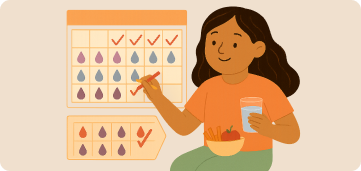
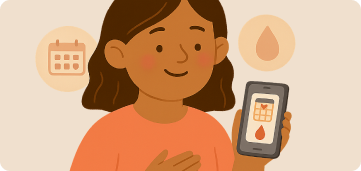
Menstrual health plays a vital role in an individual’s overall well-being. The menstrual cycle, driven by hormonal changes, influences various bodily functions and can impact both daily life and long-term health outcomes. Therefore, it’s essential to be aware of what occurs in your body throughout this cycle. Keeping track of your menstrual cycle can be effectively done through a diary or a period tracking app. This practice not only helps in monitoring your cycle but also encourages self-reflection, allowing you to check in with your physical and emotional states regularly. By recording details about your cycle, you may also become aware of symptoms that could signal underlying health issues, thus enabling timely intervention. Menstruation marks a significant transition in a girl’s life, representing the start of reproductive capability. By educating yourself on the phases of your menstrual cycle, the physiological changes that occur, and strategies to manage symptoms, you can feel more empowered and less anxious about the signals your body sends. Understanding these processes fosters a proactive approach to health and can lead to a more positive experience during your menstrual cycle.
Menstruation and Disabilities
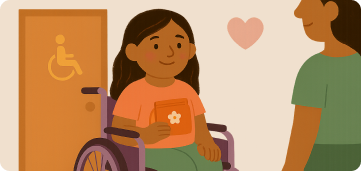
Individuals with disabilities may menstruate in ways that are similar to those without disabilities, but they often face additional challenges. These might include limited access to comprehensive menstruation education and difficulties in acquiring menstrual hygiene products or accessing appropriate facilities like bathrooms and sinks. Awareness and sensitivity toward these challenges are essential for creating inclusive support systems for all individuals. Understanding these aspects of menstruation can empower individuals to manage their health and well-being effectively.
Understanding Signs Your Period is Approaching
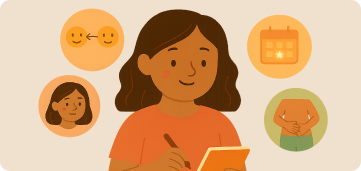
Recognizing the signs that your period is on the way can be helpful in managing your menstrual health. While these signs can differ for each person, common symptoms to watch for include acne, bloating, mood swings, and cramps in areas such as the abdomen, back, or legs. Keeping a menstrual diary can be an effective tool for tracking these signs and predicting the start of your next period, allowing you to prepare accordingly.
Managing Anxiety Related to Your Period
It’s perfectly normal to feel anxious or uneasy about your period, a sentiment shared by many. Talking about these feelings with trusted individuals, such as parents, teachers, older siblings, or family members, can provide support and reassurance. Gaining knowledge about your menstrual cycle and addressing any concerns can significantly alleviate anxiety, making the experience more manageable.

When Does Menstruation Begin?
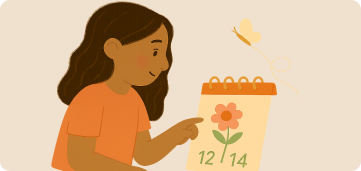
Menarche, or the first menstrual period, usually occurs between the ages of 12 and 14. However, it’s important to note that every person’s body is unique, so some may start earlier or later. If there are any concerns about the timing of menarche, consulting a healthcare professional is advisable.
When Does Menstruation End?
Most individuals experience the cessation of menstruation between the ages of 45 and 55, which signals the onset of menopause. Once menopause occurs, the ability to conceive naturally typically ends.

What Constitutes a Normal Period?
The menstrual experience can differ significantly from person to person. A typical menstrual period lasts anywhere from two to seven days, with blood loss generally ranging between one and seven tablespoons. During menstruation, it’s crucial to focus on hydration, maintain a balanced diet, and practice good hygiene. In the initial years following menarche, menstrual cycles may be irregular, and experiencing variations in symptoms is common. Keeping a record of your menstrual cycle can aid in understanding your body’s patterns and identifying what is normal for you.