The food we eat has a significant impact on our overall health and well-being. Embracing a balanced and nutritious diet is essential for preventing a variety of illnesses, reducing the risk of certain diseases, and aiding in recovery from health issues. It’s crucial to understand what defines a healthy diet and to carefully consider our food choices, engaging with healthcare providers to ensure that our nutritional needs are met. Healthy eating doesn’t need to strain your wallet. Often, selecting naturally grown fruits and locally sourced vegetables can deliver the essential nutrients required for a balanced diet without excessive costs. As you enter adolescence, your body undergoes important changes, leading to increased nutritional demands. Paying close attention to your dietary intake during this time is vital, as it can help avert potential health problems later on. For example, adolescent girls may experience iron loss due to menstruation, putting them at risk for anemia, a serious health condition. To combat this, incorporating iron-rich foods such as leafy greens, beans, lentils, and fortified cereals into your meals can be helpful. A well-rounded diet consists of essential macronutrients—carbohydrates, proteins, and fats—as well as micronutrients like vitamins and minerals. A varied diet rich in whole foods not only supplies the energy needed for daily activities but also supports growth and development during this crucial life stage. Prioritizing a nutritious diet now establishes a solid foundation for a healthier future.
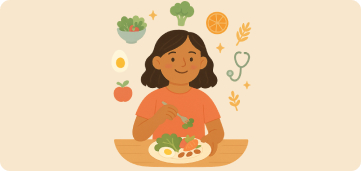
Here’s a guide to dietary choices that can help support menstrual health.
Managing Mood and Energy Levels
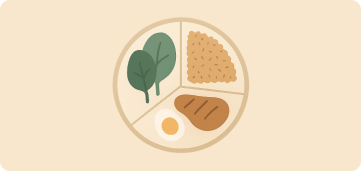
Irritability and fatigue are common experiences for many during their menstrual cycle. To help manage these symptoms, consider making mindful adjustments to your diet. Incorporating nutrient-dense foods like leafy greens, whole grains, nuts, amla (Indian gooseberry), sprouts, and eggs can provide the essential energy needed during this time. These foods offer vital vitamins and minerals that help combat fatigue and enhance your overall well-being.

Iron and Vitamin B12 Intake
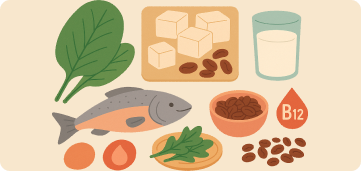
Menstruation can lead to a decrease in iron levels, increasing the risk of anemia. To counteract this, it’s crucial to include iron-rich foods in your diet. Consider incorporating beans, nuts, whole grains, leafy greens, paneer (cottage cheese), raisins, red meat, fish, milk, and cheese. Additionally, foods high in vitamin B12, such as fish and dairy products, are important for maintaining healthy blood levels and supporting overall energy.
Reducing Bloating
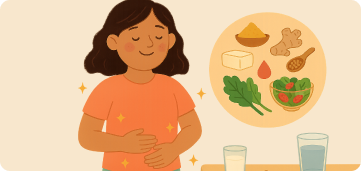
Bloating is a common discomfort during menstruation, and dietary choices can help alleviate this. Reducing sodium intake can be beneficial; opt instead for fiber-rich fruits, vegetables, fish, peanuts, and almonds, which also offer omega-3 fatty acids known for their anti-inflammatory properties. Including spices like turmeric, cardamom, ginger, coriander, and cumin in your meals can not only enhance flavor but also bolster nutritional value.
Adjusting Portion Sizes
As your menstrual cycle progresses, especially towards the end, you might notice a natural decrease in appetite. It’s perfectly acceptable to consume smaller portions, provided you maintain a balanced mix of nutrients. Foods like spinach are particularly beneficial at this stage because they are high in calcium and offer various health benefits.
Limiting Unhealthy Choices
While focusing on nourishing foods, it’s equally important to be aware of less healthy options. Highly processed foods that are high in sodium and sugar can have detrimental effects on your health, so it’s wise to limit their intake as much as possible.

By prioritizing a balanced and nutritious diet, you can significantly support your body throughout your menstrual cycle. Not only does this contribute to menstrual health, but it also enhances overall well-being, helping to alleviate symptoms and promote a healthier cycle. Making informed dietary choices can provide you with the energy and vitality needed during this time.