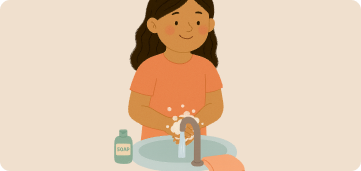
Hygiene involves the practices that promote health and prevent the spread of diseases. One of the most essential hygiene practices is washing your hands before meals. This simple yet effective act removes dirt and harmful microorganisms, including bacteria and germs, which can cause illness when ingested. By keeping your hands clean, you not only protect your own health but also contribute to preventing the spread of diseases among others. However, hygiene encompasses much more than just handwashing; it includes maintaining the cleanliness of your entire body, especially as you navigate the changes that come with puberty. Here are some important hygiene practices to support your overall health.
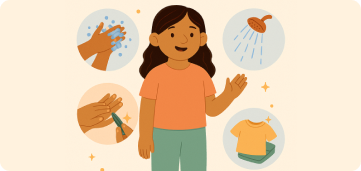
Personal Hygiene
Practices Maintaining personal hygiene is vital for reducing the risk of infections and promoting overall well-being, regardless of gender.
Here are some essential hygiene tips:
Body Hygiene
Everyone has a distinctive body odour influenced by genetics and the sweat produced by the body. Regular bathing is key to keeping your body clean, particularly in areas that are prone to perspiration, such as the armpits and groin. When cleaning sensitive areas, opt for plain or salt water to avoid irritation. For other parts of your body, you can use body wash, soap, or shower gel. After bathing, using deodorant can help control body odour. Additionally, washing your hair with shampoo at least once a week, or more frequently if necessary, supports a healthy scalp and nourishes your hair.

Nail Care
Keeping your nails trimmed and clean can prevent the buildup of dirt and bacteria. Regularly washing your hands and using nail clippers helps maintain good Skin Care: Proper skincare, including moisturizing and sun protection, is vital for maintaining skin health. Use gentle products that are suitable for your skin type.

Clothing Hygiene
Wearing clean clothes is essential for personal hygiene. Change out of sweaty or dirty clothing promptly to prevent body odor and skin irritations.

By adopting these fundamental hygiene practices, you can enhance your well-being and help reduce the risk of illness. Prioritizing your hygiene is an important part of maintaining a healthy and comfortable lifestyle.
Dental Hygiene
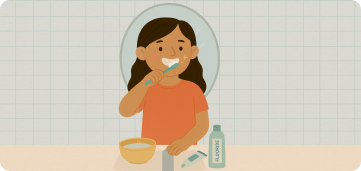
Maintaining good dental hygiene is essential not just for your oral health but also for your overall well-being. It is recommended to brush your teeth at least twice a day using fluoride toothpaste, as fluoride helps strengthen tooth enamel and prevent decay. Additionally, incorporating daily flossing into your routine is vital for removing food particles and plaque that accumulate between teeth, areas where toothbrushes often cannot reach. Neglecting dental hygiene can lead to a host of problems, including cavities, gum disease, and persistent bad breath. To ensure that your mouth stays healthy, it’s advisable to schedule regular dental check-ups. These visits allow for professional cleaning and can catch potential issues before they develop into more significant concerns.
Handwashing
Handwashing is one of the most effective methods to prevent the transmission of germs and maintain good health. It’s important to wash your hands thoroughly with soap and water at key times, which include before and after preparing or eating food, after using the restroom, handling trash, and after coming into contact with pets or their food. Proper handwashing technique involves scrubbing all areas of the hands, including between the fingers and under the nails, for at least 20 seconds. When soap and water are not available, using hand sanitizer containing at least 60% alcohol can be an effective alternative in reducing the risk of infection.