
For women, the vagina naturally maintains its own cleanliness through a balance of healthy bacteria. It is crucial to avoid using soap or other cleaning products internally, as this can disrupt the natural pH balance and lead to infections. Instead, focus on cleaning the vulva—the external part of the genital area—daily with mild, soap-free washes, plain water, or saline solutions. During menstruation, maintaining hygiene is especially important. Sanitary pads should be changed every six hours to keep the area clean and dry, while tampons ought to be changed every three to four hours to reduce the risk of Toxic Shock Syndrome (TSS). If you choose to use a menstrual cup, ensure that you sterilize it before each use to promote hygiene and prevent infections.
Personal Hygiene for Menstruators
Maintaining personal hygiene is crucial for menstruators, as it directly affects both overall health and menstrual health. Here are some informative tips to help you stay clean and comfortable before, during, and after your period:
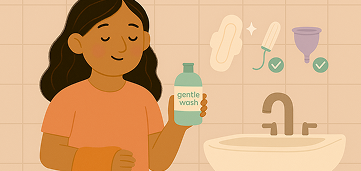
Gentle Washing
Use warm water to wash your vulva gently. It’s important to keep this area clean and dry. After washing, utilize a clean towel or cloth for drying, as moisture can lead to irritation or infections.
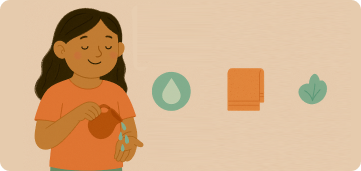
Selecting Underwear
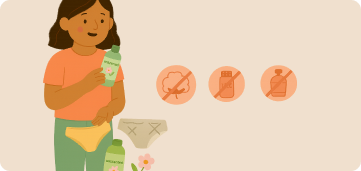
Choose clean, breathable cotton underwear. Natural fibers are less likely to irritate sensitive skin compared to synthetic fabrics like nylon or acetate. Well-fitting underwear can also help prevent discomfort during your menstrual cycle. *

Avoiding Irritants
Stay away from scented oils, powders, and talcs, as these products can cause irritation or allergic reactions in the genital area. Opt for unscented hygiene products to minimize any potential discomfort.
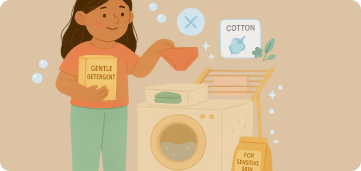
Properly Caring for Underclothes
Ensure your undergarments are laundered adequately. Use a gentle detergent and consider double rinsing to remove any residue that may irritate the skin. Avoid using excessive amounts of laundry detergent.
Hygiene Considerations During Puberty
As you enter puberty, your body undergoes significant changes, including the onset of menstruation that typically occurs every 20 to 35 days for individuals assigned female at birth. Being prepared for these changes is essential for both physical and emotional well-being. Maintaining good hygiene during this transitional period not only ensures comfort but also supports a healthier experience.
Staying informed and proactive about personal hygiene can make a meaningful difference during your menstrual cycle. Taking these steps not only promotes comfort but also contributes to preventing potential health issues. Remember, your body is going through natural changes, and prioritizing hygiene will help you navigate this important stage of life with confidence.