
Menstrual health goes beyond the absence of discomfort or disease; it’s defined as a comprehensive state of physical, mental, and social well-being regarding the menstrual cycle. Achieving menstrual health involves several crucial components for women, girls, and anyone who experiences menstruation.
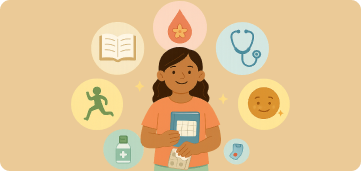
Access to Information
It’s vital for individuals to have accurate, timely, and age-appropriate education on menstruation, covering self-care, hygiene practices, and the physiological changes that occur throughout different life stages.
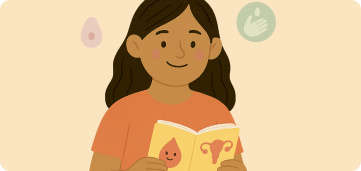
Body Care During Menstruation
Individuals should be able to care for their bodies during menstruation in ways that prioritize their preferences, hygiene, comfort, privacy, and safety. This includes access to affordable and effective menstrual products, along with adequate facilities for washing and changing these products.
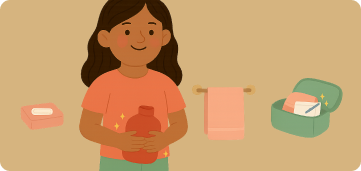
Medical Support
Access to timely diagnosis, treatment, and care for menstrual-related discomforts and disorders is crucial. This includes appropriate health services and effective self-care strategies.
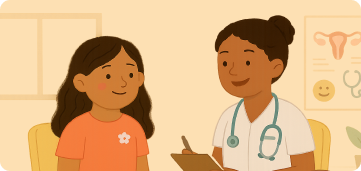
Positive Attitude and Stigma-Free Environment
Cultivating a respectful and positive attitude towards menstruation is essential. Individuals should have access to resources and support that empower them to take care of their bodies without experiencing stigma or psychological distress.

Freedom of Participation
It’s important for individuals to participate fully in all aspects of life—civil, cultural, economic, social, and political—during their menstrual cycle. Participation should occur without facing exclusion, restrictions, discrimination, coercion, or violence related to menstruation. Understanding and promoting these aspects of menstrual health enable all individuals to navigate their menstrual cycles with dignity, informed choices, and adequate support.