
A balanced diet is vital for maintaining optimal health, as nutritional deficiencies can lead to a variety of serious health complications. For individuals assigned female at birth, inadequate intake of essential nutrients can particularly affect reproductive health, resulting in issues such as irregular menstrual cycles and anemia.

Iron
Iron is an indispensable mineral that contributes to the production of hemoglobin, which is critical for transporting oxygen throughout the body. As individuals grow and their blood volume and muscle mass increase, their iron requirements also rise. Menstruation involves blood loss, which depletes the body’s iron levels, potentially leading to iron deficiency anemia. This condition is a significant health concern globally, as it can cause fatigue, weakness, dizziness, and shortness of breath. Ensuring adequate iron intake through diet—such as lean meats, beans, and fortified cereals—can help prevent these symptoms and maintain energy levels.

Calcium
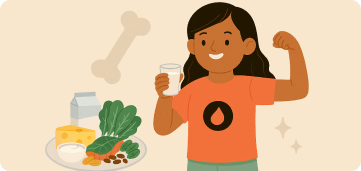
Calcium is crucial not just for bone health but also for various bodily functions, including muscle contraction and nerve signaling. Insufficient calcium intake may lead to weakened bones and increased risk of osteoporosis. Dairy products, leafy greens, and fortified plant-based alternatives are excellent sources of calcium. Including these foods in your diet is essential for long-term health.
Folate (Vitamin B9)
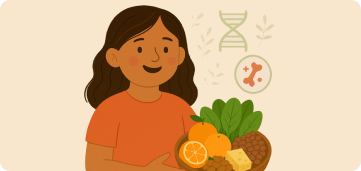
Folate, or folic acid, is critical for overall health and development. This vitamin, found in abundance in green leafy vegetables, citrus fruits, and legumes, is vital for tissue growth, protein synthesis, and the formation of red blood cells. Adequate folate levels can help prevent anemia and support reproductive health, making it especially important for those who are pregnant or considering pregnancy.
Zinc
Zinc plays a vital role in growth, development, and immune function. It is also linked to alleviating menstrual pain and cramping. While zinc can be obtained from food sources like meat, shellfish, legumes, and seeds, it is essential to consult a healthcare provider before taking supplements, as excessive zinc intake can lead to adverse effects.
Understanding Anemia
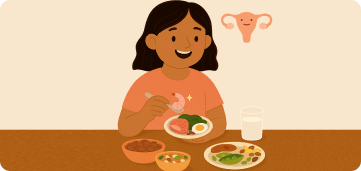
Anemia is characterized by a decrease in red blood cells or hemoglobin levels, resulting in inadequate oxygen transport in the body. In addition to iron deficiency, deficiencies in folate, vitamin B12, and vitamin A can also contribute to anemia.
Symptoms of anemia can include extreme fatigue, weakness, dizziness, and shortness of breath. If you experience these symptoms, seeking medical advice is crucial. Untreated anemia can compromise the immune system and increase the risk of infections, alongside potentially leading to complications affecting the heart and lungs. For those who are pregnant, untreated anemia can pose significant health risks during and after childbirth. In summary, maintaining a nutrient-rich diet is essential for adolescent individuals, particularly those who experience menstrual-related health challenges. By understanding the roles of essential nutrients, individuals can make informed dietary choices that contribute to better health outcomes and overall well-being.