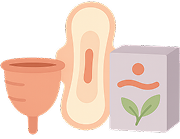
Understanding and managing your menstrual health is vital for overall well-being. Managing your menstrual health is crucial, and understanding the various menstrual hygiene products available can help you make informed choices. Unfortunately, misconceptions and cultural taboos about menstruation persist in many parts of the world, which can negatively impact health. This guide provides an overview of the various menstrual hygiene products available, their proper usage, and sustainable disposal methods.

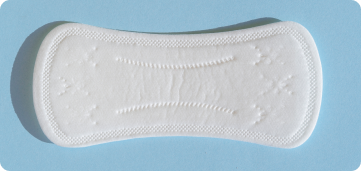
Sanitary Pads/Napkins
Sanitary pads, also known as napkins, are absorbent materials designed to be worn inside your underwear to collect menstrual blood. They help keep your clothes clean and dry, and many pads come with “wings” that fold over the sides of your underwear for added security and stability.

Choosing the Right Pad
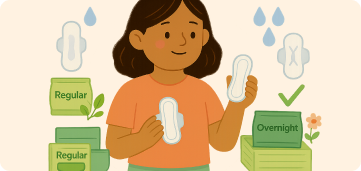
When selecting a sanitary pad, it’s essential to consider your menstrual flow as pads come in various sizes and absorbency levels to accommodate different intensities.
Usage Guidelines
Frequency
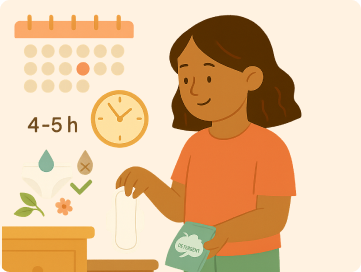
Change your pad every 4 to 5 hours, but if you have heavy bleeding, it’s best to change it more frequently to maintain comfort and hygiene.
Advantages of Sanitary Pads
Convenience
They are easy to use and readily available in stores.
Comfort
The absorbent layers help keep you dry and comfortable throughout the day.
Health Benefits
Regular changing of pads minimizes the risk of infections.
Accessibility
Sanitary pads are designed to be suitable for women of all ages and backgrounds.
Mobility
Their design allows for freedom of movement, making them suitable for active lifestyles.

Proper Disposal of Sanitary Pads
Safe and hygienic disposal of sanitary pads is crucial not only for personal health but also for environmental safety. Improper disposal can pose serious health risks, such as the spread of infections and attraction of pests.
Disposal Steps
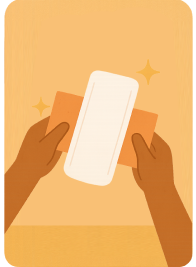
Wrap the Pad
Always wrap your used pad in paper or its original packaging before disposal to contain any fluid and odors.
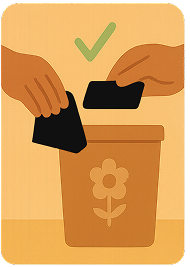
Use a Bin
Place the wrapped pad in a covered bin specifically for sanitary waste, ensuring cleanliness and hygiene.
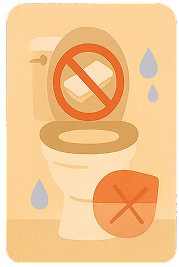
Avoid Flushing
Never flush pads down toilets or latrines, as they can clog plumbing systems and lead to sanitation issues. By making informed choices about menstrual hygiene products and understanding proper usage and disposal practices, you can contribute to better health and environmental sustainability.
Tampons
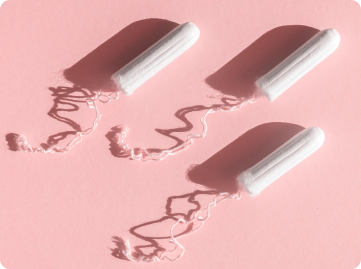
Tampons are a widely used option for menstrual management. These small, cylindrical devices are typically made of absorbent materials, such as cotton. They are designed to be inserted into the vagina, where they absorb menstrual fluid. Each tampon has a string attached for easy removal. Tampons come in a range of sizes and absorbency levels, allowing users to choose the appropriate type based on their menstrual flow, whether it’s light or heavy.
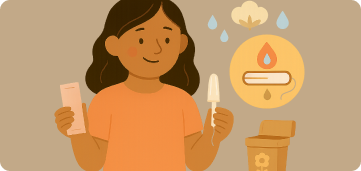
How to Use Tampons Safely and Effectively
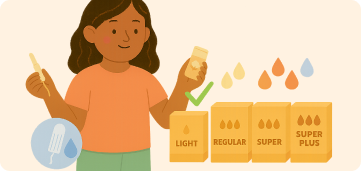
Choose the Right Absorbency
Selecting a tampon with the appropriate absorbency for your flow is crucial. Options typically include light, regular, super, and super plus.
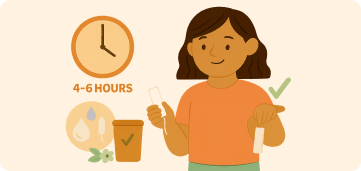
Regularly Change Your Tampon
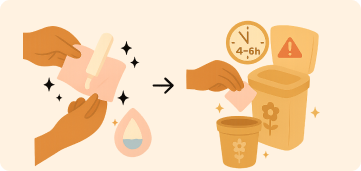
Since tampons are inserted into the body, you can’t easily tell when they are full. To minimize the risk of infections, it’s recommended to change your tampon every 4 to 6 hours.
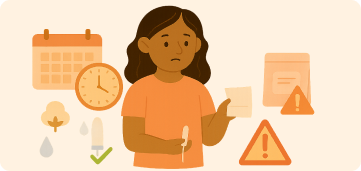
Avoid Prolonged Use
It is important not to leave a tampon in for more than 8 hours, even overnight. Leaving a tampon in for too long increases the risk of infections and conditions such as toxic shock syndrome.
Important Considerations
Purchase Tampons from Reputable Sources
Always buy tampons from trusted medical or pharmacy outlets to ensure they meet safety standards.

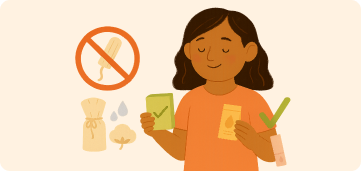
DIY Tampons Are Not Safe
Attempting to create your own tampons at home can lead to serious injuries and infections, so it’s advisable to use commercially manufactured products.
Alternatives
For those interested, sanitary napkins made from cotton or cloth can be made at home, providing an alternative option for menstrual management.

Disposing of Tampons Properly
Wrap and Discard
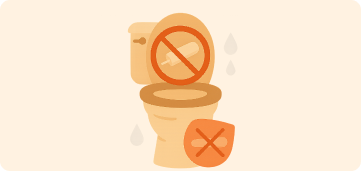
After use, wrap your tampon in toilet paper or tissue and dispose of it in a trash bin. Avoid flushing tampons down the toilet, as this can cause plumbing issues.
Incineration Option
If you’re in a facility that has incineration disposal systems, please use designated bins for the disposal of tampons, where available. By following these guidelines, users can manage their menstrual periods safely and responsibly.
Menstrual Cups
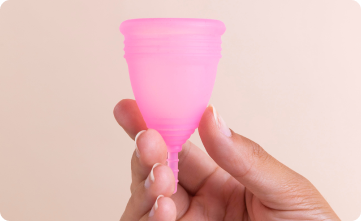
A menstrual cup is a reusable menstrual hygiene product designed to collect menstrual fluid rather than absorb it. Made from materials such as medical-grade silicone or latex rubber, these cups can be worn for up to 12 hours, depending on your flow, making them a sustainable alternative to traditional disposable products like tampons and pads. Notably, menstrual cups can contain approximately twice the volume of fluid compared to regular tampons, which can be especially useful for those with heavier periods.
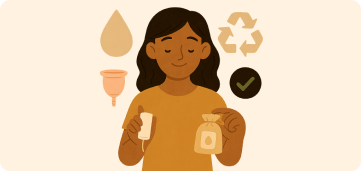
How to Use a Menstrual Cup
Choosing the Right Size: Select a size that fits your body comfortably; many brands offer different sizes based on factors such as age, flow, and whether you have given birth.
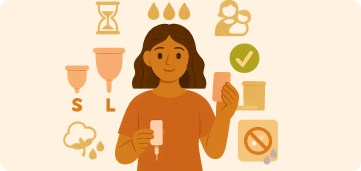
Cleaning
Thoroughly wash the cup after each use to minimize the risk of irritation or infection. A simple rinse with soap and water is usually sufficient.
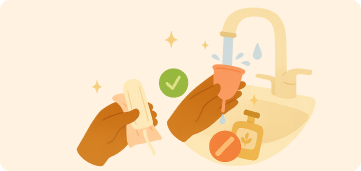
Usage Duration
Reusable cups can last several years with proper care, while single-use options should be discarded after removal.
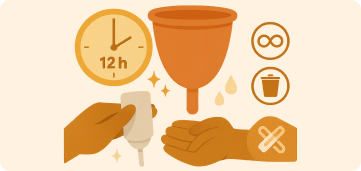
Allergy Considerations
If you have a latex allergy, check the product’s material, as many menstrual cups are made from latex-free materials.

Steps to Insert a Menstrual Cup
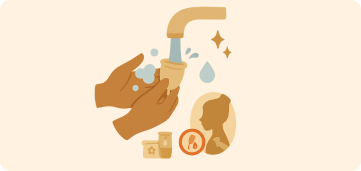
Wash Hands
Begin by washing your hands thoroughly to maintain hygiene.
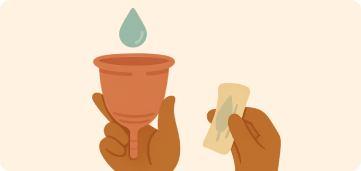
Prepare the Cup
Moisten the rim of the cup with a small amount of water or a water-based lubricant to aid in insertion.
Fold the Cup
Fold the cup in half, keeping the rim facing up. There are various folding methods—experiment to find the one that works best for you.

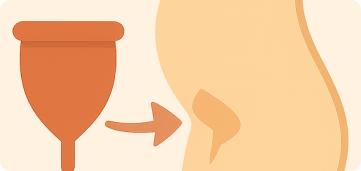
Insert the Cup
Insert the cup into the vagina similarly to how one would insert a tampon without an applicator, positioning it a few inches below the cervix.
Seal the Cup
Rotate the cup gently after insertion to ensure it expands fully and creates a secure, airtight seal.

How to Remove a Menstrual Cup
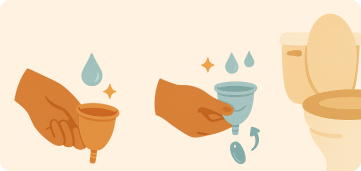
Grip the Stem
Use your fingers to gently pull on the stem of the cup until you can grasp the base.

Release the Seal
Pinch the base of the cup to break the seal before gently pulling it out.
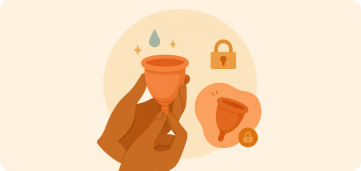
Disposal of the Contents
Empty the collected fluid into a sink or toilet.
Advantages and Disadvantages of Menstrual Cups
Advantages
Can last 5 to 10 years with proper maintenance, making them cost-effective over time. Environmentally friendly compared to disposable options, reducing waste.
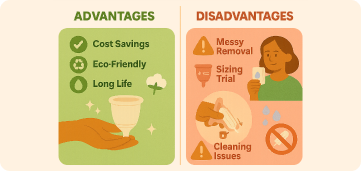
Disadvantages
Removal can be messy if you’re not careful. Finding the right fit may require some trial and error. Improper use or cleaning can lead to vaginal irritation.
Cloth Pads
When menstrual cups or disposables are not an option, clean, soft cotton cloths can serve as an effective alternative. It is important to choose gentler fabrics, as thicker or rough cloth may irritate the skin.

Using Cloth Pads
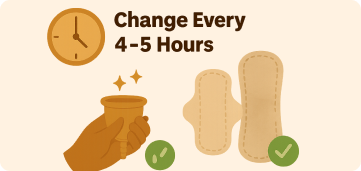
Changing Frequency
Change the cloth pad every 4 to 5 hours to maintain hygiene.
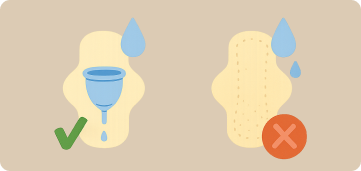
Moisture Management
Avoid using damp cloths, as they can elevate the risk of infections.
Disposal and Cleaning
For disposable use, wash the cloth thoroughly, wrap it securely, and throw it away. If you plan to reuse it, ensure it is washed and dried in a hygienic manner.
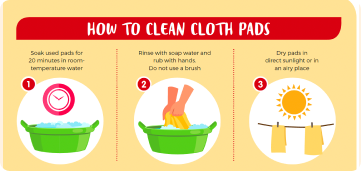
Advantages and Disadvantages of Cloth Pads
Advantages
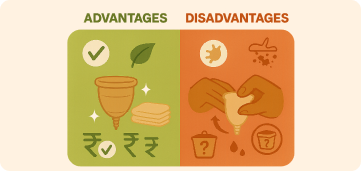
Made from accessible and reusable materials. Absorb well when properly prepared. Biodegradable, promoting eco-friendly disposal options.
Disadvantages
Heavier cloth materials can lead to friction and discomfort. If not cleaned and stored correctly, they can pose a risk of infection. Exploring these methods of menstrual hygiene can significantly impact overall well-being. It’s essential to choose the method that is most comfortable and suitable for your body and lifestyle.