Personal Health
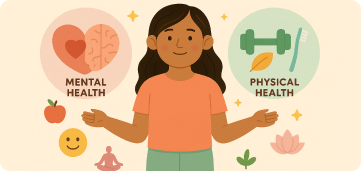
Personal health is a multifaceted concept that encompasses both physical and mental/emotional well-being. Achieving true health means taking care of these integral aspects in tandem.
Physical Health
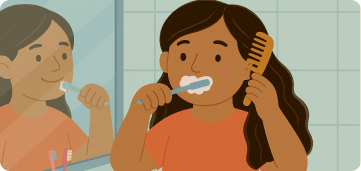
This includes maintaining good hygiene, proper nutrition, and regular exercise.
Mental and Emotional Health
It’s equally important to manage emotions, value one’s feelings, and nurture healthy relationships. In addition to physical care, mental well-being is crucial. Various resources can aid individuals in addressing mental health challenges, promoting open discussions about mental health, and offering support to those in need. Ultimately, a holistic approach to health empowers individuals to live fulfilling lives, maximized by the necessary resources to reach their full potential.
Staying Active During Adolescence
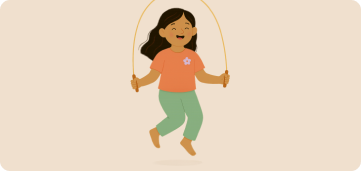
Adolescents undergo significant hormonal changes during puberty, which can manifest as intense energy and emotional fluctuations. Engaging in sports, regular games, and extracurricular activities can help channel this energy constructively. It’s essential for adolescents to balance academics with an active lifestyle. Regular physical activity not only regulates testosterone levels but also helps mitigate aggression and mood swings, leading to a more stable emotional state.
Menstrual Health
Menstrual health goes beyond the absence of discomfort or disease; it’s defined as a comprehensive state of physical, mental, and social well-being regarding the menstrual cycle. Achieving menstrual health involves several crucial components for women, girls, and anyone who experiences menstruation:
Access to Information
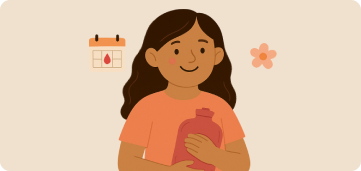
It’s vital for individuals to have accurate, timely, and age-appropriate education on menstruation, covering self-care, hygiene practices, and the physiological changes that occur throughout different life stages.
Body Care During Menstruation
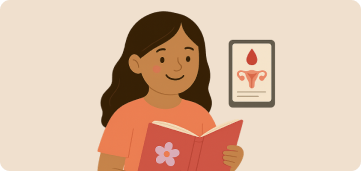
Individuals should be able to care for their bodies during menstruation in ways that prioritize their preferences, hygiene, comfort, privacy, and safety. This includes access to affordable and effective menstrual products, along with adequate facilities for washing and changing these products.
Medical Support
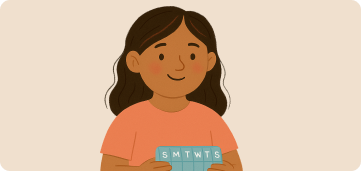
Access to timely diagnosis, treatment, and care for menstrual-related discomforts and disorders is crucial. This includes appropriate health services and effective self-care strategies.
Positive Attitude and Stigma-Free Environment
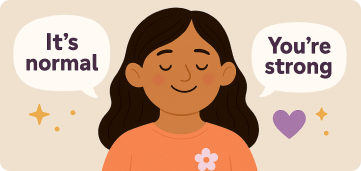
Cultivating a respectful and positive attitude towards menstruation is essential. Individuals should have access to resources and support that empower them to take care of their bodies without experiencing stigma or psychological distress.
Freedom of Participation
It’s important for individuals to participate fully in all aspects of life—civil, cultural, economic, social, and political—during their menstrual cycle. Participation should occur without facing exclusion, restrictions, discrimination, coercion, or violence related to menstruation. Understanding and promoting these aspects of menstrual health enable all individuals to navigate their menstrual cycles with dignity, informed choices, and adequate support.