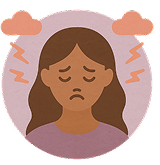
Premenstrual Syndrome (PMS) describes a range of emotional, behavioural, and physical symptoms that can occur in the days or weeks before menstruation begins. These symptoms are linked to the hormonal changes in the menstrual cycle and can affect people differently—some may experience only mild discomfort, while others may find the symptoms significantly disrupt daily life.
Common symptoms of PMS include:
Cramps
Lower abdominal pain or discomfort, often caused by the uterus contracting as it prepares to shed its lining.
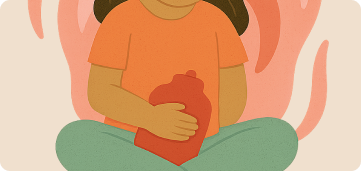
Bloating
A sensation of fullness or swelling in the abdomen due to fluid retention and hormonal fluctuations.
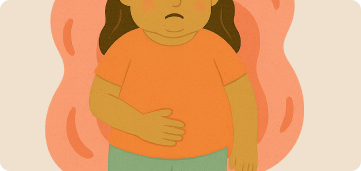
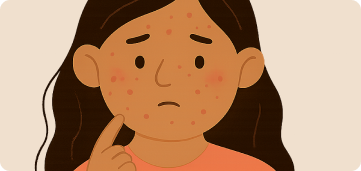
Skin Breakouts
Increased occurrence of acne or pimples, commonly triggered by changes in hormone levels.
Sore Breasts
Tenderness or pain in the breasts resulting from hormonal shifts.
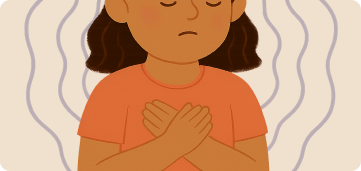
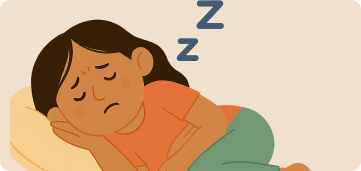
Fatigue
Feelings of unusual tiredness or lack of energy, sometimes accompanied by sleep disturbances.
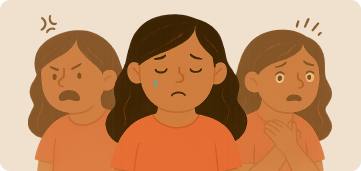
Mood Swings
Sudden changes in mood, such as irritability, sadness, anxiety, or heightened emotional sensitivity.
The type and intensity of PMS symptoms can differ widely—some individuals might not notice any symptoms, while others may experience severe pain or discomfort.
To effectively manage and reduce PMS symptoms, consider the following strategies:
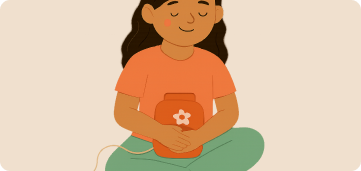
Heat Therapy
Using a heating pad or hot water bottle on the abdomen can help ease cramps by relaxing the muscles.
Regular Exercise
Physical activity, such as walking, swimming, or yoga, may alleviate both physical and emotional symptoms.

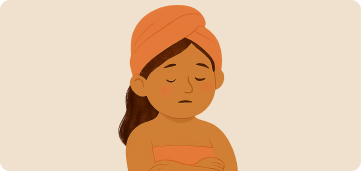
Warm Baths
Bathing in warm water can promote relaxation, reduce muscle tension, and provide comfort.
Gentle Stretching
Incorporating stretching exercises can help relieve tension and improve overall wellbeing.

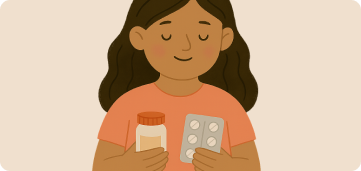
Pain Relief Medication
Over-the-counter painkillers like ibuprofen or paracetamol may help; it is best to consult a healthcare professional before starting any medication.
Understanding PMS and its symptoms allows individuals to identify what is typical for their bodies and seek appropriate relief. If symptoms are severe, persistent, or interfere with daily life, it is advisable to speak with a doctor or nurse for further evaluation and support.